

a hybrid documentary by wendelien van oldenborgh
111 min., 2026
Lyrical Vengeance draws a parallel between three historical female writers from Indonesia Japan and the Netherlands who resisted dominant patriarchal and nationalist politics, and contemporary collective movements waging a similar struggle. The film focusses on transnational solidarity from a queer feminist perspective, and art, life, and activism as hopeful forms of transformation.
Central to the film are the Indonesian nationalist author and pedagogue Suwarsih Djojopuspito, who opposed oppressive colonial education both as educator and in her writing; Beb Vuyk, an Indo-Dutch writer born in Rotterdam who moved to the Dutch East Indies in the late 1920s, sought to connect with local communities there and committed herself to the Indonesian independence movement, and the Japanese Fumiko Hayashi, one of the most popular female writers in the 1930s, who was sent to Indonesia as part of a ‘Pen Brigade’ during the Japanese occupation.
The work of these authors flourished in the 1930s to 1950s, a time of enormous shifts in power and governance in the Indonesian archipelago. In 1942, Japan invaded what was then the Dutch East Indies, after which several wars and violent escalations led to Indonesia’s independence. While progressive and conservative politics battled with each other, the women positioned themselves as artists and shaped alternative lifestyles as women. Through their work, they creatively resisted oppressive regimes and ideologies, in the process fighting against, but sometimes collaborating with, the dominant politics of their time depending on circumstances. They knew each other’s work and respected each other, though their interests and perspectives differed. This transnational and border-crossing solidarity is the starting point of the film.
The work of the three authors reveals a deep commitment to the recognition of women’s labor, sex work, alternative family structures and anti-fascism. This commitment is actualized in the film by a contemporary cast of non-professional actors, who themselves bring knowledge and experience of the issues addressed, are engaged in social struggles, or practice alternative ways of life.
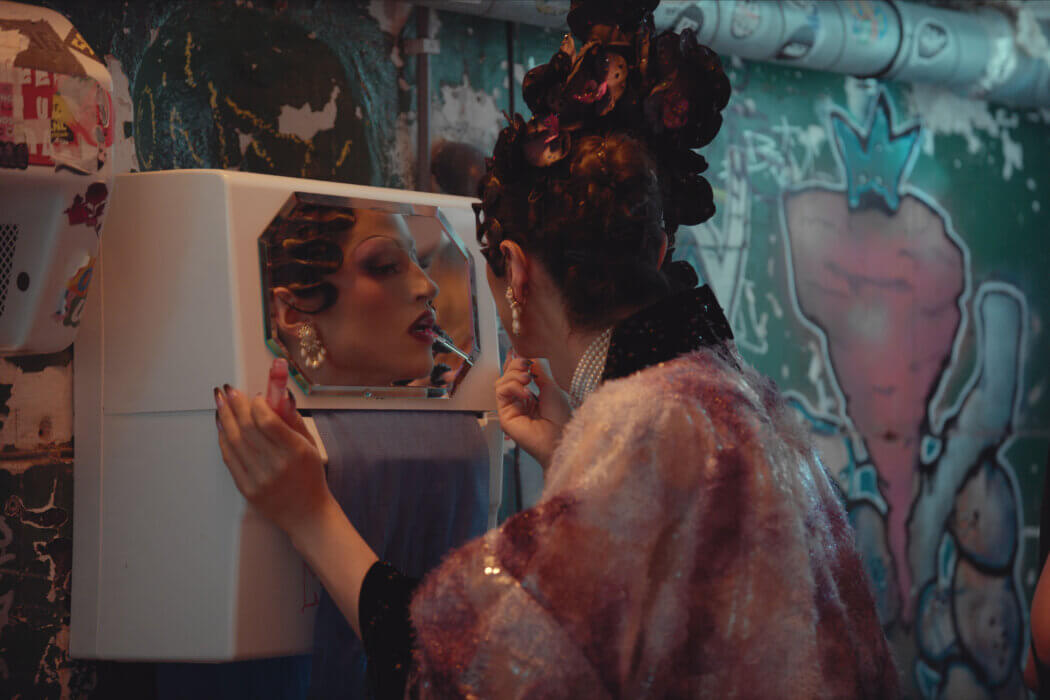
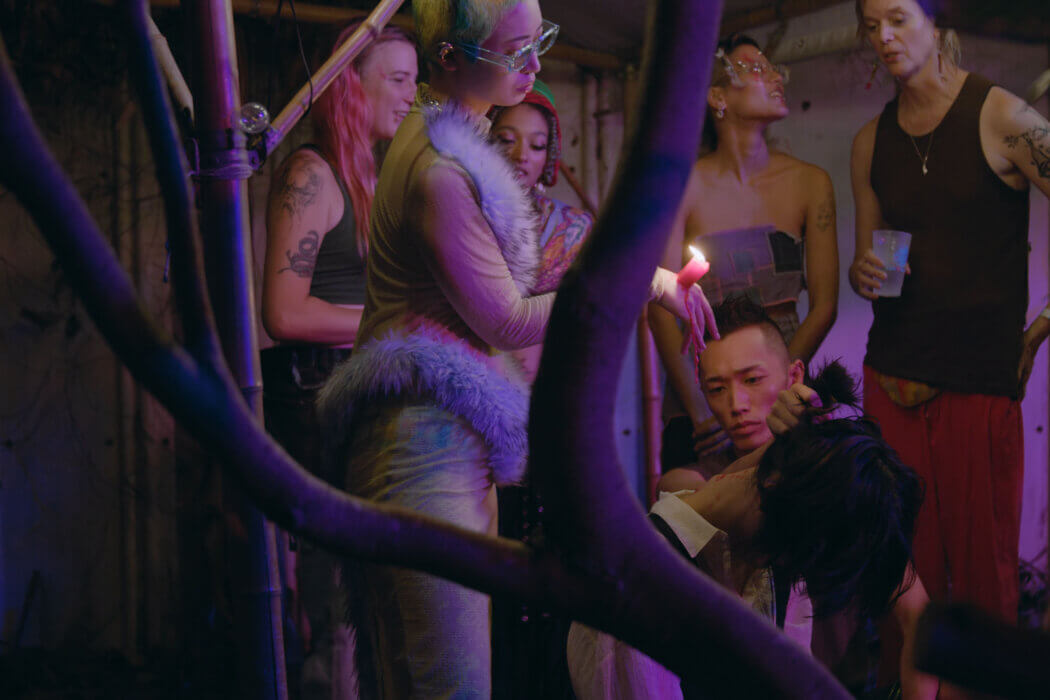
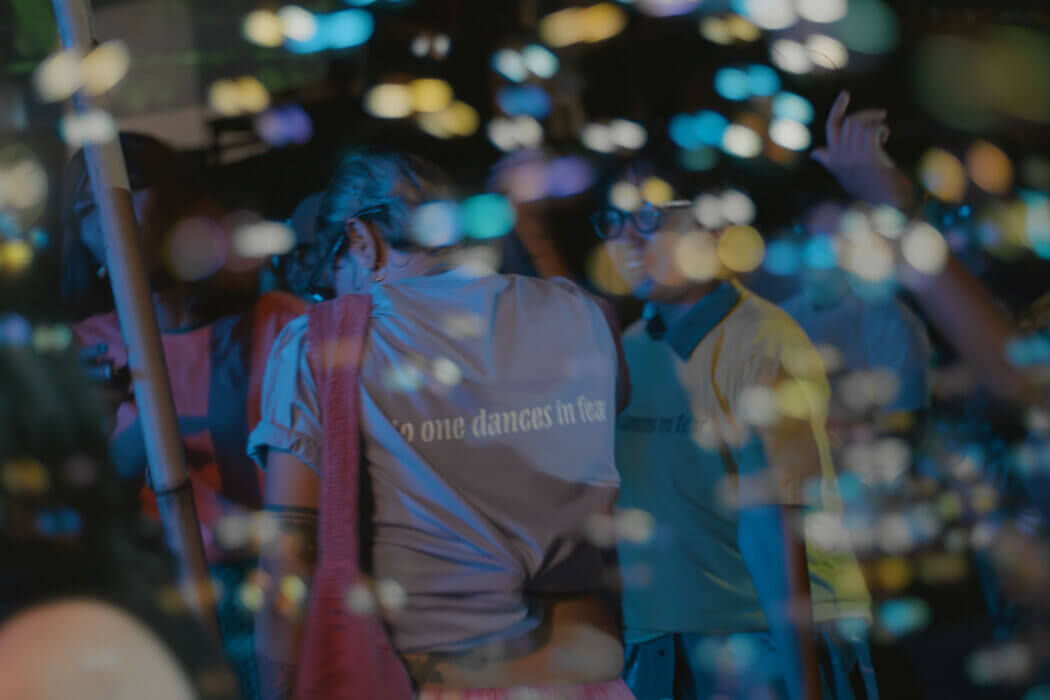
Where the female writers found their voice and freedom on the page, the film makes a link to contemporary queer-inclusive raves, where lyrics and music provide a platform for taking up and sharing space. Independent club nights in Tokyo, Yogyakarta and Rotterdam form a portal to the underground communities that the historical authors struggled for. Travelling towards and between these rave spaces, a contemporary cast of activists, artists, researchers and community leaders perform their interest in Djojopuspito, Vuyk and Hayashi. Citing and reading their words, exploring resemblance through makeup and drag, and acting out how these women might have responded to difficult situations, the cast explores different perspectives on their legacy.
The cast don’t shy away from disagreement, stepping out of their roles at times to comment on their own lived experience with discrimination and oppression, and the conflicts between national positions that continue to this day. This blend of quotation, scripting and improvisation expresses the complexity and creativity of intergenerational, transnational and multilingual forms of solidarity. Moving between intimate and collective spaces, Lyrical Vengeance shows the emotional work of solidarity, and the importance of spaces where freedom can be celebrated, from the archive to the dancefloor.